
Why the Best Nightlife Venues Feel Like a World, Not Just a Bar
Expectations have changed. The typical “drink, chat, head home” regiment just isn’t doing it for the thrill-seekers of today. They want to be taken on an experience. They want to be immersed in something bigger than just another night out. They want to be someone else for just one night.
Design That Earns its Keep
Industrial spaces have always been a hallmark of the best bars and clubs. There’s something ‘real’ about them, something solid. Something more honest than the average concrete box that you get knocked up on an out-of-town retail park.
The cocktail bar battersea model is a good example of this done right: a building with industrial heritage repurposed into a sophisticated social environment, where the original function of the space becomes part of the atmosphere rather than something to apologise for.
Zoning, Not Just Floor Space
A venue with a flat energy level, flat volume, flat vibe from door to bar, fails a significant proportion of potential guests every night, because they arrive in a different mood, and move through different states during the evening. A well-designed venue accounts for that.
The best spaces today are zoned. There’s a quiet corner where you can have a conversation without leaning in. There’s a mid-energy area for groups who want to feel part of something without being overwhelmed. And there’s a high-intensity zone for the people who want that. None of these zones undermines the others, they work together to make the whole venue feel dynamic rather than one-dimensional.
The Cocktail Menu as a Document
A basic drinks list shows that the venue hasn’t put much thought or effort into creating a unique identity. However, a well-thought-out cocktail menu reflects the exact opposite, it shows that the establishment has a distinct identity. Today, the most successful menus are those that integrate the venue’s geographic location, history, or an overarching story that pulls everything together. Ingredients from the local area. Names alluding to local history, culture, or geography. And presentation that matches the design of the venue.
A solid 75% of Millennials and Gen Z would rather spend money on a unique experience instead of buying something desirable. A drinks list that has a story behind it isn’t just going to make patrons feel like the night was memorable. It’s also a way to attract regulars.
On the topic, signature cocktails do something just as important: they become marketing tools. A beautiful, decadent cocktail is basically an Instagram post waiting to happen.
The Theatre of Service
There is an uncomplicated “good service” which is invisible, smooth, effective, non-intrusive. No doubt, there is also still a place for that. But in a high-concept venue, a long way from the corner diner, service can aim higher.
Tableside preparation, drinks that come with a short story about the origins of their ingredients, staff who have been trained in the history of the building and are ready to share it if a guest is curious, these are not stunts. These are what distinguish a venue that people recall from one, as the saying goes, where you might have trouble describing the experience a fortnight later. Service as theatre is not merely performance for performance’s sake. It is treating every contact as an opportunity to add depth to the experience, rather than simply completing the transaction.
Location Within the Broader Landscape
The postcode of a venue has always been important. What has changed is what we infer from it. No longer is it simply about foot traffic and connectivity. Now it is about whether the area in which it is embedded has an identity that holds together, a sense that this block, this district, this redeveloped quarter is a place in itself.
When a venue is part of a vibrant lifestyle precinct, it trades off the energy of the sum of its parts. People don’t plan their evenings around a bar; they plan their evenings out. Repurposed districts clustered around legacy buildings seem to have emerged as the optimal fertile grounds for this type of patronage. The venue and the context cross-promote each other.
Lighting Does More Than Most People Credit
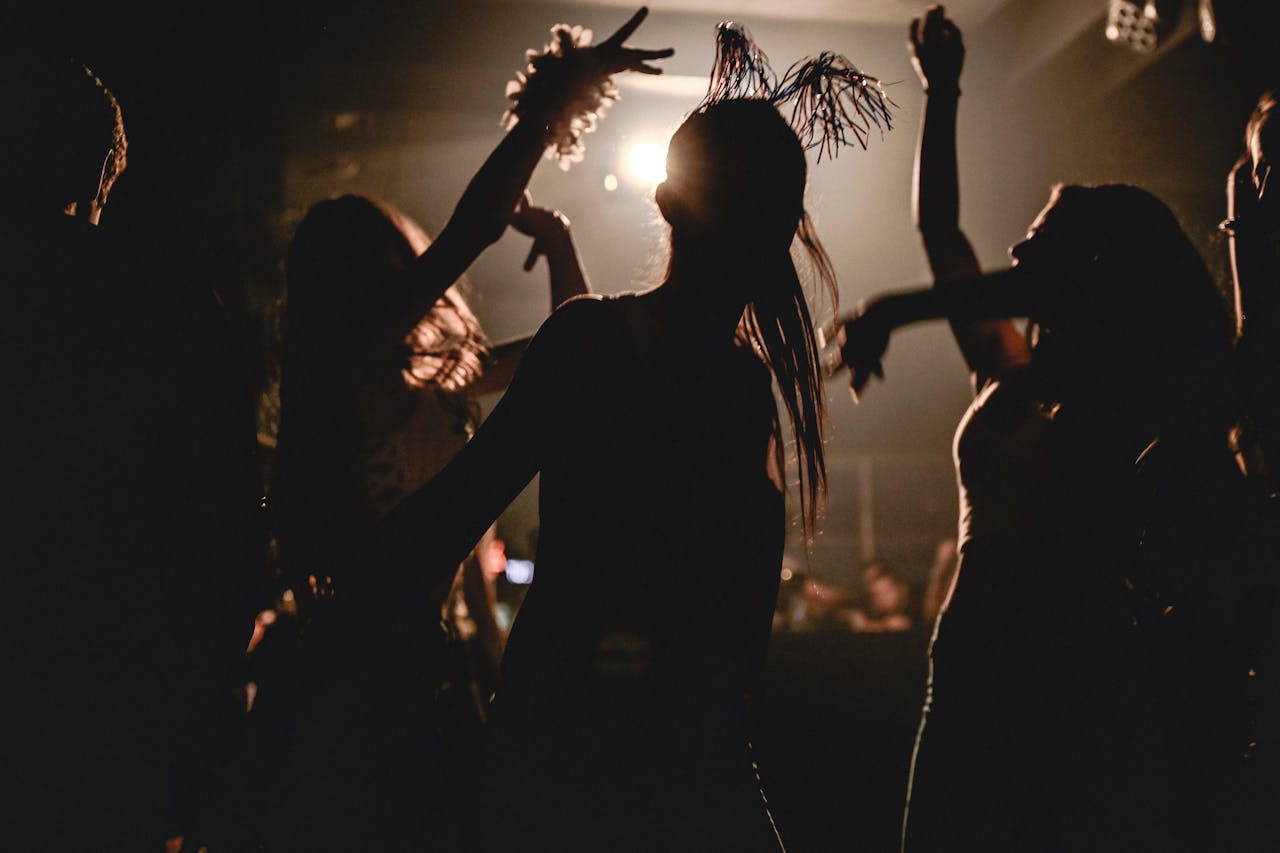
People talk a lot about how sound works in club design. Less so about lighting, which also plays a crucial role. Bad lighting can flatten the ambience of a room, while carefully planned ambient lighting can add depth, direct focus, and highlight the architecture itself. A well-illuminated club will subtly change its atmosphere over the course of an evening following the energy from the dance floor, rather than working against it.
The clubs that really understand this tend to be the ones where you feel most at home. The ones that don’t feel like exactly what they are: a room with lights. The difference between an okay night and a really good one is how many of these elements have been considered, and how true they stay to what the space is there to do.