
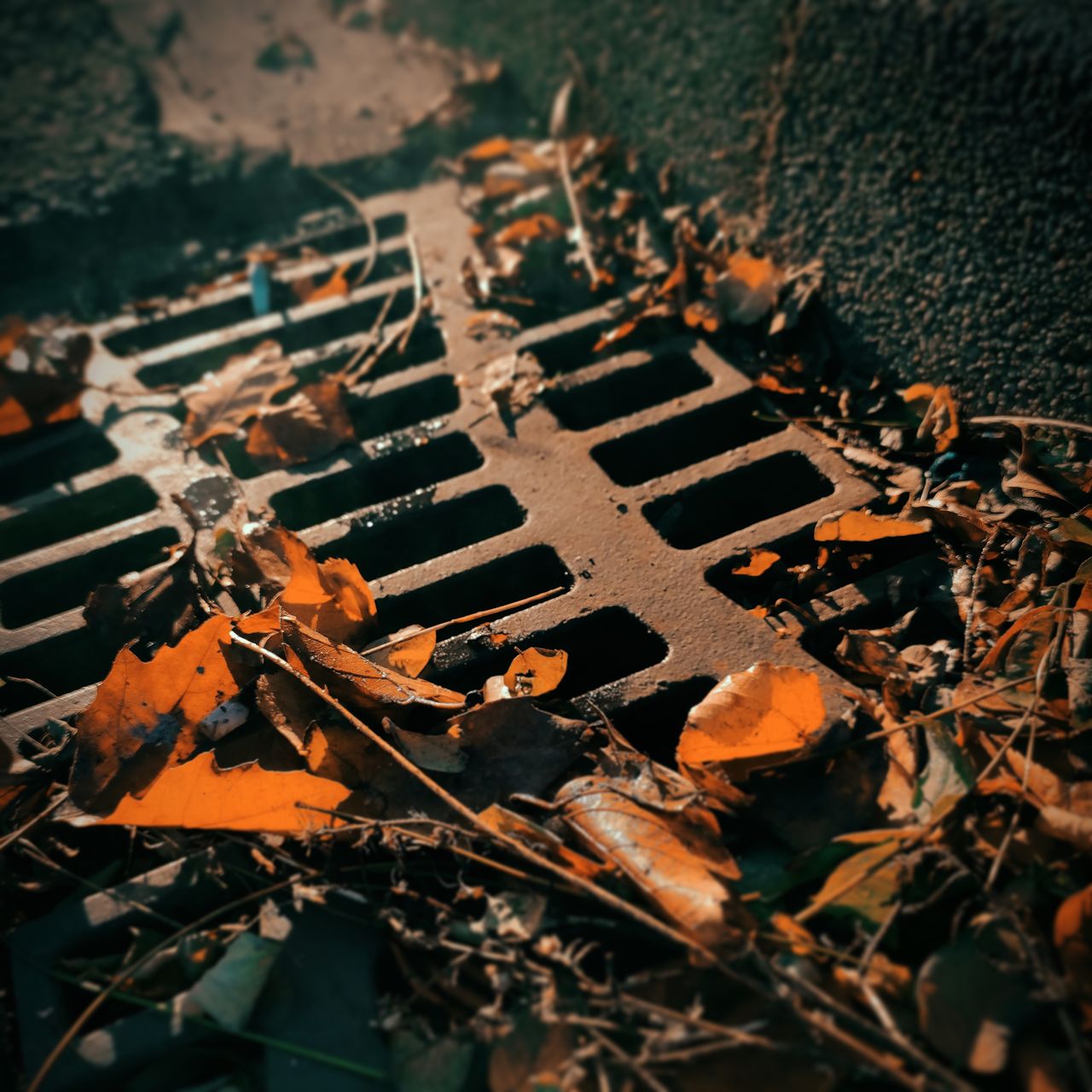
A blocked drain and a damaged drain can cause similar problems, but they are not the same thing. For homeowners dealing with blocked drains in Horsham, understanding this difference can help determine the right course of action. A blockage restricts the flow of water through a pipe, often because of trapped debris or a build-up of waste. A damaged drain, on the other hand, has a structural defect, such as a crack, displaced joint or collapsed section.
Both problems can cause slow drainage, unpleasant smells and water backing up into sinks, toilets or outdoor drains. This makes it difficult to identify the cause from symptoms alone. DrainBoss provides drain unblocking, CCTV drain surveys and repair services to help identify and resolve different drainage problems. Clearing a blockage may restore normal drainage, but it will not fix a damaged pipe. In some cases, both problems occur together, making an accurate diagnosis essential for choosing the right solution.
Blocked Drain vs Damaged Pipe: What Is the Difference?
A blocked drain occurs when an obstruction restricts or completely prevents water from flowing through a pipe. The blockage may consist of grease, wet wipes, food waste, hair or other materials that accumulate over time. In many cases, the pipe itself remains in good condition, and removing the obstruction restores normal drainage.
A damaged drain has a structural problem. Cracks, displaced joints, deformation or collapsed sections can interfere with water flow and sometimes allow wastewater to escape into the surrounding ground. Unlike a straightforward blockage, structural damage generally requires repair rather than cleaning alone.
The main differences between these problems are outlined below.
| Feature | Blocked Drain | Damaged Pipe |
| Main problem | Obstruction inside the pipe | Structural defect in the pipe |
| Common causes | Grease, wet wipes, debris | Ground movement, ageing, displaced joints |
| Typical symptoms | Slow drainage, water backing up | Recurring blockages, possible leakage |
| Usual solution | Clearing the obstruction | Repair, relining or replacement |
| Can both occur together? | Yes | Yes |
These differences provide a useful starting point, but symptoms alone cannot confirm the condition of underground pipework. A damaged section may collect debris and develop a blockage, while an undamaged pipe can suffer repeated obstructions. The actual cause can only be established through appropriate checks.
Warning Signs: Is Your Drain Blocked or Damaged?
Drainage problems do not always provide an obvious indication of what is happening underground. Some symptoms develop when a pipe becomes partially obstructed, while others may suggest a structural defect. Paying attention to when problems occur and how frequently they return can help narrow down the possible causes.
Common warning signs include:
- Slow drainage. Water takes longer than usual to empty from a sink, bath or shower. This often indicates a partial obstruction, although poor pipe alignment or deformation can also restrict the flow.
- Gurgling sounds. Unusual bubbling or gurgling noises occur when water drains from a fixture. These sounds may result from air movement within a restricted drainage system, but they can also be associated with ventilation problems.
- Unpleasant smells. Persistent odours may come from sinks, toilets or outdoor gullies. Trapped waste and stagnant water are possible causes, although faulty traps and other plumbing issues can produce similar symptoms.
- Repeated blockages. The same drain becomes blocked again shortly after being cleared. This may indicate a displaced joint or damaged section that catches debris, but incomplete removal of the original obstruction is another possibility.
- Water backing up. Wastewater rises in a toilet, shower tray or other connected fixture instead of flowing away. This suggests a significant restriction somewhere in the drainage system and requires prompt attention, particularly when several fixtures are affected.
- Unexplained damp patches. Persistent wet areas or unusually soft ground near underground drainage routes may indicate escaping water. However, leaking water supply pipes, rainfall and poor surface drainage can produce similar conditions.
The most useful clues are often how frequently a problem occurs and which parts of the property are affected. For example, a single slow-draining sink may have a local obstruction, while several affected fixtures could indicate a restriction further along the drainage system.
None of these signs proves that a pipe has cracked or collapsed. Even recurring blockages do not automatically mean structural damage, so further investigation may be necessary before deciding on repairs.
What Causes Drain Blockages and Pipe Damage?
Drain blockages usually develop when materials accumulate inside a pipe and gradually reduce the space available for water to pass through. Some obstructions build up over months, while others occur suddenly when a foreign object becomes lodged in the system.
Common causes of blocked drains include:
- Fat, oil and grease. Cooking fats can cool and accumulate on internal pipe surfaces, trapping other waste.
- Wet wipes and sanitary products. These materials do not break down like toilet paper and can create substantial obstructions.
- Hair and soap residue. A combination frequently found in bathroom waste pipes and traps.
- Tree roots. Roots can enter underground drainage pipes through openings or defective joints and restrict water flow.
- Silt, soil and leaves. These materials can accumulate in outdoor gullies and surface water drains, particularly after heavy rainfall.
Physical pipe damage develops through different processes. Underground drainage systems are exposed to soil movement, external loads and changes in ground conditions. The quality of the original installation also influences how well the pipework performs over time.
Typical causes of structural damage include:
- Ageing materials. Some older pipes become brittle or deteriorate after prolonged use.
- Ground movement. Settlement or shifting soil can place stress on pipes and their connections.
- Poor installation. Inadequate bedding, insufficient support or incorrect alignment can contribute to future defects.
- Displaced joints. Connections can separate or move out of position, potentially allowing water to escape or debris to collect.
- Construction damage. Excavation, fencing work and other ground operations can accidentally damage buried pipes.
Blockages and structural defects are often connected. A displaced joint may create an internal edge that traps solid waste, while roots can exploit an existing opening and gradually make the obstruction worse. Removing the accumulated material may temporarily restore drainage, but the underlying defect can remain.
What Can You Check Before Calling a Drainage Specialist?
Although underground drainage problems cannot always be identified without specialist equipment, a few simple observations can help establish where the issue might be located. These checks do not require opening inspection chambers or dismantling underground pipework. They are intended to gather useful information without increasing the risk of damage or flooding.
Consider the following questions:
- Is only one fixture affected? If a single sink or shower drains slowly while other fixtures work normally, the obstruction may be local. Problems affecting several fixtures could indicate a restriction further along the drainage system.
- Did the problem appear suddenly or gradually? A sudden loss of drainage may be associated with a lodged object or major obstruction. Gradually worsening drainage can suggest an accumulating deposit, although neither pattern identifies the cause with certainty.
- Has the drain been cleared before? Try to remember when the previous problem occurred and how it was resolved. Repeated difficulties in the same location can help a specialist decide whether further investigation is worthwhile.
- Are there visible problems outdoors? Look for overflowing gullies, standing water or unusual wet patches from a safe location. Avoid entering contaminated water or removing inspection chamber covers.
- Have any recent groundworks taken place? Excavation, driveway installation or landscaping work may be relevant if drainage problems begin shortly afterwards. This information can help identify areas that may require closer examination.
It is also worth noting whether the problem becomes worse during heavy rainfall or when several fixtures are used. These details can help distinguish a possible capacity problem from a local obstruction, although additional checks may still be required.
Avoid using aggressive chemical drain cleaners or forcing rods and other tools into a pipe that may be damaged. Such attempts can create additional hazards and may complicate professional cleaning or inspection. If wastewater is already backing up, stop using the affected fixtures until the problem has been assessed.
How Do Professionals Find the Real Cause?
A drainage specialist normally begins by reviewing the symptoms and identifying which fixtures or external drains are affected. The investigation may include checking accessible pipework, gullies and inspection chambers to establish where water flow becomes restricted. The aim is to locate the problem before recommending a particular cleaning or repair method.
If an obstruction is suspected, the specialist may first attempt to clear it using suitable equipment. Restoring water flow can help determine whether the problem was caused solely by accumulated waste. However, repeated blockages or indications of structural damage may justify a more detailed examination.
A CCTV drain survey allows the inside of a drainage pipe to be inspected using a specialist camera. Depending on visibility and access, the survey can reveal cracks, displaced joints, root intrusion, deformation and other defects. It can also help establish the location and extent of damage before repair work is planned.
A camera cannot always pass through a completely blocked or collapsed section. Heavy deposits and standing water may also prevent a clear view of the pipe walls, making preliminary cleaning necessary. Once sufficient access and visibility are available, the specialist can assess whether further cleaning, localised repair or more extensive work is required.
Drain Cleaning or Pipe Repair: Which Solution Is Needed?
The appropriate solution depends on whether the problem involves an obstruction, structural damage or a combination of the two. A pipe that is otherwise in good condition may only require cleaning, while a cracked or displaced section may need physical repair. Choosing the correct approach helps reduce the likelihood of repeated problems.
When the pipe is structurally sound, common methods include:
- Mechanical drain clearing. Suitable rods or other specialist tools can remove certain obstructions and restore water flow.
- High-pressure water jetting. Pressurised water can break up and flush away grease, silt and other deposits when the pipe’s condition permits its safe use.
- Post-clearance checks. The specialist can verify that water flows normally and determine whether further examination is needed.
High-pressure jetting can be particularly useful for removing accumulated deposits along a drainage run. However, the equipment and operating pressure must be appropriate for the pipe material, condition and type of obstruction. It should not automatically be used on pipework suspected of being severely weakened or collapsed.
When structural damage is confirmed, the available options are different:
- Localised pipe repair. A defective joint or short damaged section may be repaired without replacing the entire drainage run.
- Drain relining. A suitable liner can be installed inside an existing pipe to rehabilitate certain defects without extensive excavation.
- Excavation and replacement. Severely collapsed, displaced or otherwise unsuitable pipe sections may need to be exposed and replaced.
The choice depends on the extent of damage, pipe alignment, available access and surrounding ground conditions. Relining can reduce disruption in suitable circumstances, but it cannot resolve every structural problem. For example, a pipe that has completely collapsed or lost its alignment may require excavation before normal drainage can be restored.
When Should You Get Professional Help?
Some drainage issues develop gradually, while others require immediate attention because of the risk of sewage contamination or property damage. Although a minor local obstruction may be relatively straightforward, worsening symptoms or repeated failures should not be ignored. Waiting can allow an existing restriction to develop into a complete blockage.
Professional assistance is particularly important when:
- Sewage enters the property. Wastewater backing up through toilets, showers or floor drains presents a potential health hazard.
- Several drains stop working. Problems affecting multiple fixtures may indicate an obstruction in a main drainage run.
- Blockages repeatedly return. Further investigation may be needed to identify persistent deposits or underlying defects.
- There are signs of underground leakage. Unexplained wet ground, localised settlement or persistent dampness near a drainage route may warrant inspection.
- An outdoor drain overflows near the building. Rising wastewater can threaten nearby areas and may enter the property if the problem continues.
If sewage begins backing up, minimise or stop using toilets, sinks and other fixtures connected to the affected drainage system. Keep children and pets away from contaminated areas, and avoid attempting to open inspection chambers or enter flooded spaces.
If the overflow appears to originate from a public sewer, contact the relevant water company. Problems involving private drainage may require a specialist contractor, depending on the location and responsibility for the affected pipe.
Conclusion
A blocked drain and a damaged pipe can produce similar warning signs, including slow drainage, unpleasant smells and water backing up. These symptoms alone cannot reliably establish whether the problem is an obstruction or a structural defect. Identifying the underlying cause helps determine whether the drain needs cleaning, repair or a more detailed inspection.
If drainage problems keep returning or become more serious, professional assessment is advisable. DrainBoss provides drain unblocking, CCTV drain surveys and pipe repair services across Sussex, Surrey, Kent, Hampshire and South London. An accurate diagnosis helps ensure that the chosen solution addresses the actual problem and reduces the risk of further drainage issues.