
Arts & Culture
Arts and Culture
Awards
Beauty
Buisiness
busi
Business
Business Directory
Caharity
Charity
Climate
Competitions & Surveys
Construction
CoronaVirus
Cycling
Digital
DISENCHANTMENT
e
ed
Education
Eduction
Emergency
Employment
ener
Energy
Entertainment
Entertianment
Enviroment
Enviromental
Environment
Events
Experts
Fashion
Fashion & Beauty
food
Food & Drink
Football
Funny
Games
Gaming
Government
Health
Heath
Hospitality
Jobs
Kids
Law & Finance
Life
Link Building
LIVE
Members Area
Motoring
Motoring Technology
Music
North East News
Oets
Pets
Politics
Property
Recruitment
Retail
s
Social
Space
Sport
Sports
Techno
Technology
Tecnology
Tennis
Travel & Tourism
Uncategorised
Weather
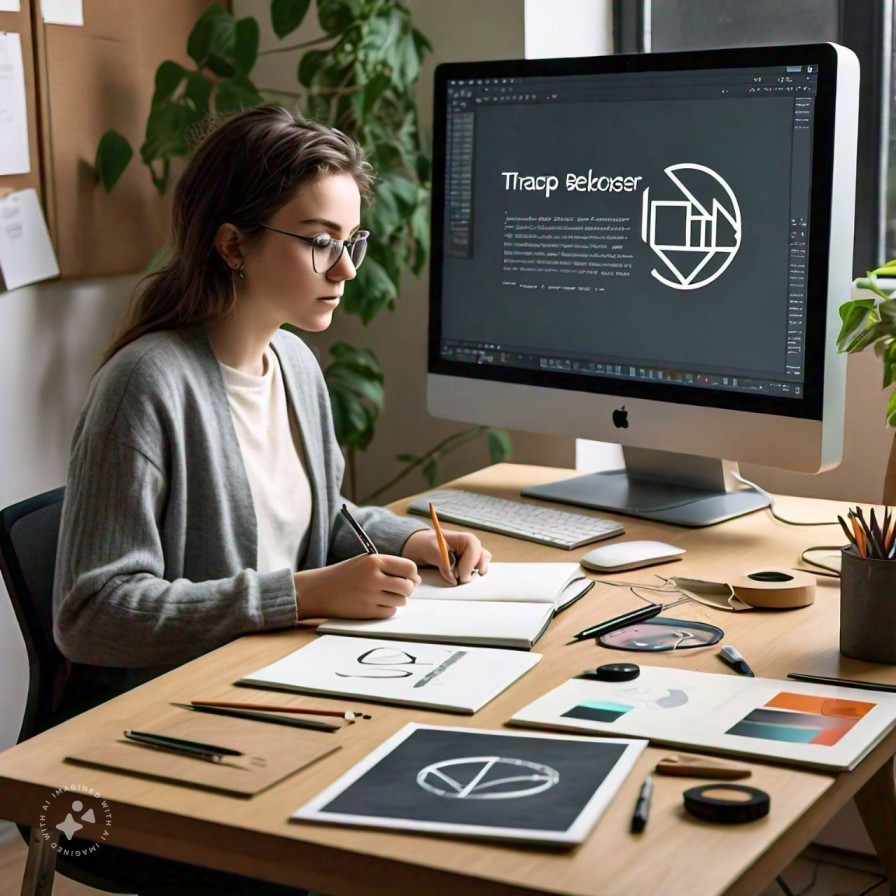
Graphic design is more than arranging elements on a page; it is the thoughtful combination of color, form, and emotion to communicate a message effectively. The science behind graphic design examines how visual elements influence perception, decision-making, and emotional response. For businesses and designers, understanding this science is essential for creating materials that resonate with their audience.
The Role of Color in Design
Color is one of the most powerful tools in visual communication. Different colors evoke specific emotions and responses. For instance:
-
Blue often conveys trust, stability, and professionalism.
-
Red stimulates urgency, passion, or excitement.
-
Green evokes balance, growth, and harmony.
A graphic design firm that understands color psychology can create visual experiences that guide audience reactions. When used effectively in brochures, websites, or branding, color can influence how the viewer interprets the information and engages with the content.
Understanding Form and Composition
Form refers to the arrangement of shapes, lines, and visual structures within a design. A well-thought-out composition ensures that the viewer’s eye moves naturally across the page, emphasizing key messages without causing confusion.
For example, a brochure designing service applies form and composition to guide readers from the headline to the call-to-action. Designers consider hierarchy, spacing, alignment, and balance to make the content visually digestible. Form is not just aesthetic—it’s functional, helping the viewer process information efficiently.
Emotion Through Design
Design evokes emotion through both subtle and obvious elements. Fonts, imagery, and even whitespace contribute to how a person feels about a brand or product.
A graphic design firm that leverages emotional design strategies can create brochures, flyers, or marketing materials that not only inform but also inspire action. For instance, a charitable organization’s brochure might use soft colors, gentle curves, and relatable imagery to generate empathy and encourage donations.
Emotion in design is a strategic tool. It bridges the gap between the message and the audience, ensuring that visuals leave a lasting impression.
Applying the Science in Brochure Design
When a business hires a brochure designing service, the goal is not only to create an attractive document but also to communicate ideas effectively. The interplay of color, form, and emotion becomes the backbone of this process. Designers start by understanding the audience, objectives, and context. Then, they craft layouts and select visual elements that guide the reader’s attention, evoke the intended emotional response, and support the brand identity.
The process is scientific yet creative. Every decision, from color palette to typeface selection, is grounded in how people perceive and process visual information. This ensures that the brochure is not just appealing but also functional and impactful.
The Strategic Advantage
Businesses that partner with a professional graphic design firm gain more than aesthetic value. They gain a strategic advantage. By applying the science of color, form, and emotion, designers can create materials that:
-
Capture attention in competitive markets
-
Communicate messages clearly and effectively
-
Encourage desired actions, whether inquiries, purchases, or engagement
Ultimately, understanding the science behind graphic design elevates the role of visual communication from decoration to strategy.
Conclusion
Graphic design is a careful balance of color, form, and emotion, each element playing a crucial role in how audiences perceive and interact with visual content. A professional brochure designing service and experienced graphic design firm can harness this science to create materials that are visually compelling, emotionally resonant, and strategically effective.
In today’s competitive landscape, effective design is no longer optional—it is essential for businesses looking to communicate clearly and leave a lasting impression on their audience.