
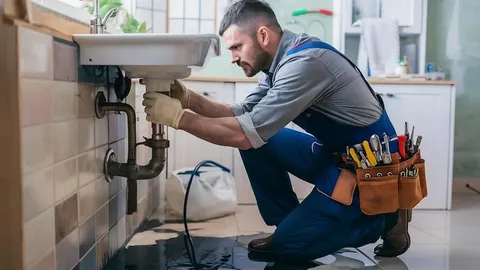
According to the EPA, household leaks can waste over 10,000 gallons each year. Yet many pressure issues are fixable. With the right steps, homes see a steady flow again. Therefore, a skilled plumber Decatur can help right away. They test, diagnose, and repair. As a result, fixtures work better. And daily tasks feel easier.
1) Understand What “Good Pressure” Really Means Plumber
First, it helps to know the numbers. Many homes operate most efficiently between 50 and 60 psi. However, safe ranges commonly span 40 to 80 psi. A pro confirms pressure using a gauge at several points. Then they compare indoor results with the main ones. This shows where the flow drops. Next, the plumber checks the shutoff and meter valves. Because even a partly closed valve can choke flow. In addition, they inspect regulators for drift. They also ask about recent work or any nearby flushing. That activity can stir sediment. It may also temporarily alter system conditions. Finally, they map symptoms by fixture. With a plan, fixes move faster. And the home returns to smooth, steady pressure.
2) Common Household Causes of Weak Flow
Often, low pressure starts with small parts. Debris can clog faucet aerators and showerheads. That reduces the flow at the tap. Therefore, a tech checks those first. They also look for kinked supply lines. Next, they review isolation valves under sinks.
Meanwhile, they scan for hidden leaks that sap pressure and money. The EPA notes leaks waste huge volumes nationwide. For quick wins, homeowners can try simple checks. However, complex issues need a pro.
-
Clean clogged aerators and showerheads using vinegar soaks.
-
Straighten kinked hoses and fully open fixture valves.
-
Look for damp spots that hint at pipe leaks.
-
Call the Water Heater Replacement Service Decatur for tough cases.
Because these steps find easy fixes fast, they often restore normal flow.
3) Pro Diagnostics That Save Time
A licensed plumber follows a clear path. First, they test static and working pressure. Then they compare readings at the main and at the fixtures. This narrows the search to supply or branch lines. After that, they evaluate the pressure-reducing valve. A drifting PRV can starve the whole house. Next, they check for sediment in cartridges. They also assess the age and material of the pipes. Corrosion narrows passageways and slows water. Therefore, they may recommend upgrading targeted pipe sections. Finally, they review demand patterns. Running multiple appliances simultaneously reduces perceived pressure. With these checks, the plumber Decatur builds a precise fix list. The result is clearer water paths, fewer surprises, and reliable daily use.
4) Fast Fixes Inside the Home
Some solutions work the same day. A plumber can service aerators and cartridges. They can reset stuck stop valves. And they can flush debris from lines. These tasks often improve flow right away. Moreover, pros adjust regulators to safe, steady levels. As needed, they replace failed parts to prevent drops.
-
Replace clogged cartridges and worn supply hoses.
-
Adjust or replace faulty pressure regulators.
-
Reseat or replace leaky shutoff valves.
-
Install new aerators for balanced flow.
Because each step targets a real cause, improvements last; consequently, daily tasks feel quicker and easier.
5) Whole-Home Solutions That Keep Pressure Stable
Sometimes the fix is bigger. Therefore, a plumber Decatur may recommend a new PRV. Pressure-reducing valves protect pipes and fixtures by keeping pressure in range. They also help cut wasted water. Additionally, the plumber may resize select lines. Old, narrow runs can restrict flow. In some homes, a booster can help on long or high runs. Next, they coordinate with the water provider when issues start upstream. Utility work or flushing can briefly change pressure or stir sediment. With the right upgrades, the system stays stable. As a result, showers stop sputtering. Appliances fill faster. And fixtures last longer under normal stress.
6) Safety, Codes, and Smart Settings
Sound pressure is not only comfort. It is safe too. Excess pressure strains pipes and parts. It can also trigger “water hammer” and damage. Therefore, plumbers set regulators to safe values. They also warn about shutting valves too fast. Quick closure can send a shock wave through pipes. Moreover, many fixtures have pressure limits listed. Running above those can reduce lifespan. Next, pros ensure backflow devices work properly. Then they confirm the main and meter valves open fully. Finally, they label valves for easy use during emergencies. With correct settings, systems stay calm and quiet. In turn, repair costs drop over time. And families enjoy steady water without worry.
7) Find and Fix Leaks That Steal Pressure
Leaks do more than waste water. They also drop pressure across the system. The EPA reports huge national losses from household leaks each year. Therefore, detection matters. Professionals use meters, dyes, and acoustic tools to find trouble. They inspect toilets, slabs, and outdoor lines. They also review bills for sudden spikes. Next, they seal, re-pipe, or replace damaged parts. With leaks fixed, pressure rebounds. In addition, bills often fall by about ten percent after easy repairs. When leaks hide, call the water leak detection service Decatur for advanced locating. Prompt action prevents water damage. And it keeps pressure stable across fixtures. As a result, faucets run strongly. Showers feel consistent—and appliances complete cycles on time.
8) Upgrades That Deliver Better Everyday Flow (Conclusion)
Even with repairs, some homes need updates. Old heaters, corroded pipes, and tired fixtures limit flow. Therefore, a plumber may suggest modern low-restriction faucets or showerheads. They may also recommend right-sizing lines during remodels. If hot water lags or pressure drops when heating, consider water heater replacement service Decatur for reliability and steady output.
Additionally, fixture aerators should be selected to match family needs. Finally, set the PRV to a safe and comfortable range, typically near 50–60 psi. With smart upgrades and timely service, homes gain confidence, even in the face of pressure. For trusted help and friendly guidance, homeowners can count on Benjamin Franklin Plumbing for expert support and lasting results.