
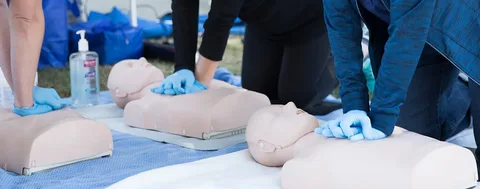
A sudden gasp. A silent fall. A room goes still. In those first moments, your hands, your voice, and your choices matter more than anything. With the right steps, you can keep blood moving, protect the brain, and buy time until help arrives. That is why people sign up for CPR Classes Lawrenceville. They want simple skills that work when life turns urgent. This guide shows how CPR and an AED fit together, how practice builds calm, and how you can prepare your home team—today.
Why CPR Classes Lawrenceville Matter When Seconds Count
Cardiac arrest can happen at home, at work, or on a sidewalk. It is often sudden. Yet there is a clear, doable plan. You check for response and breathing. Then you call for help. You start hard, fast compressions in the center of the chest. Finally, you use an AED as soon as it arrives. Every step supports blood flow to the brain. Every second without action raises the risk of brain damage. However, when a bystander starts CPR, the chance of survival can double or even triple. Training turns fear into action. Because you have practiced, you will move faster. And that speed can keep a heart “in the fight” until paramedics take over.
A Simple Chain of Survival You Can Learn Today
Think of a chain. Each link is one step you can take. First, notice the emergency and shout for help. Second, call your local emergency number and put your phone on speaker. Third, begin chest compressions: push hard and fast, at least two inches down, letting the chest rise each time. If you know breaths, give them; if not, hands-only is fine. Fourth, use an AED as soon as someone brings it. Finally, keep going until professionals arrive. Although it feels intense, you can do it. People who finish CPR Classes Lawrenceville say they feel calmer after practicing on manikins and hearing real-life tips. As a result, they step in quicker, and that speed often makes the difference.
What an AED Does (and Why It’s Your Best Backup)
An AED is a small, smart device that talks you through each step. You open it, place the pads on the chest, and let it read the heart’s rhythm. If a shock is needed, it tells you to press a button. If not, it tells you to keep doing CPR. The voice prompts are clear, and the pictures help if your hands shake. Many gyms, offices, schools, and stores keep AEDs near the front desk or in hallways. If you have ever searched “AED Certification Classes near me,” you know the goal is simple: learn to use the device without losing time. Therefore, the more you practice pad placement and rhythm, the more automatic your actions will feel.
Real-Life Moment: The Kitchen, the Phone, the Breath
Picture this: it’s dinner time. A family member collapses. You tap and shout. No response. You look, listen, and feel—no normal breathing. Because you trained, you call for help, put the phone on speaker, and start compressions. Your neighbor runs in with the building’s AED. You pause only when the device tells you to. It checks the rhythm, gives a shock, and tells you to keep pressing. Time feels strange, but your count stays steady. Sirens approach. As the medics take over, you realize your practice became action. That is the promise of CPR and the AED together—fast hands, clear steps, and a real shot at going back to dinner another day.
Confidence Comes from Practice, Not Luck
Skill grows with reps. Your first chest compressions may feel awkward. But with coaching, your hands learn where to press, how deep to go, and how to keep a strong pace. Short practice bursts build muscle memory. In fact, a single skills session can reset your comfort level from “I hope someone else helps” to “I can start now.” If you’re looking up CPR First Aid Classes near me, focus on courses that include lots of hands-on time, brief coaching cues, and simple checklists you can keep on your fridge. Moreover, invite a friend to join you. Learning together makes practice fun and keeps skills fresh at home and at work.
What to Expect in a Short Class
A good class is friendly, focused, and active. First, you’ll learn to spot cardiac arrest. Then you’ll practice compressions on a feedback manikin. Next, you’ll open an AED, place pads, and follow the prompts. Finally, you’ll run short “what if” drills so your steps feel natural. Many sessions also cover choking relief and team roles.
-
You will practice calling for help and using speakerphone.
-
You will learn to swap compressors every two minutes.
-
You will set up the AED without stopping compressions for long.
In case you have been searching for AED Certification Classes near me, this type of class fits well. It keeps the science simple and the actions clear, so you leave ready, not rattled.
Home Moments and What to Do
Myths That Slow People Down
Myths waste time, and time is oxygen. Let’s clear a few. First, “I’ll break a rib.” Maybe, but a broken rib can heal; a stopped heart cannot wait. Second, “I’m too small to help.” Not true—good form matters more than size. Third, “I’ll get in trouble.” Laws protect helpers who act in good faith. Finally, “I need perfect training.” You need action, not perfection.
-
Start compressions even if you feel unsure.
-
Keep the chest bouncing back up each push.
-
Follow the AED; it’s your coach in a box.
People who finished CPR Classes Lawrenceville often say these myths faded once they practiced. Therefore, cut the noise, trust the steps, and move.
Make a Plan with Your Family Tonight
A plan beats panic. After dinner, walk through your home. Where is the best spot to do compressions? Who calls for help? Who runs to grab the AED at work, school, or the gym? Because clear roles reduce stress, write them on a sticky note near your phone. Then, run a two-minute drill once a month. Set a timer, practice compressions on a pillow, and rehearse switching roles. If a teen is in the house, teach them to guide the paramedics to your door or gate. Also, print a one-page checklist and keep it with the first-aid kit. With a plan in place, your whole crew will act faster and feel steadier.
Final Push: Your Skills Can Keep a Heart Beating
You do not need a medical degree to save a life. You need a few clear steps, steady hands, and the will to start. Practice builds all three. Because CPR keeps blood flowing and the AED restarts the rhythm, your effort buys priceless minutes. If you have not trained yet, pick a date now. And if you trained years ago, refresh your skills. Communities grow safer when everyday people step in early, stay focused, and work as a team. Finally, remember this: your calm voice and strong hands can carry someone you love from crisis to recovery.
Ready to Train? Do It with the Pros
Call to Action: Learn, practice, and walk out ready. Book your spot with Heartbeats CPR Training and bring a friend. You’ll get clear coaching, real practice, and encouragement that sticks.