
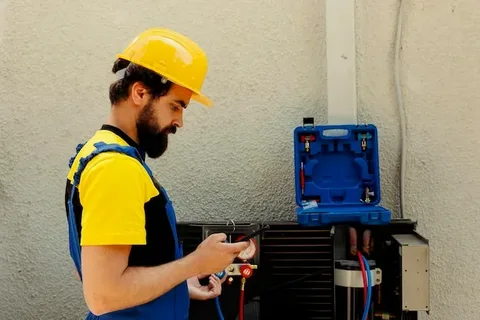
Your system sounds weird, and it worries you. You want real answers fast. You’re asking how a pro tracks down those sounds. I’ve got you. A friendly HVAC contractor Washington follows a clear path. And yes, that path works. Here’s the short answer. Pros listen, then localize the sound. Next, they check airflow, parts, and power. Then, they test controls and safety switches. Finally, they fix the root cause and verify it.
First Listen: What HVAC Contractor Hears Right Away
Techs start with the sound itself. They note pitch, rhythm, and location. Then they match it to patterns.
-
Rattling often signals loose panels or screws.
-
Grinding can mean a failing motor bearing.
-
Whistling suggests airflow restrictions.
They also take a quick history. When did it start? Did the noise grow worse? Did anything change at home? They check mode changes too. Does it happen on heat, cool, or fan? Pros keep the system running while listening. They also move from room to room.
Quick Tip: Replace a filthy filter before the visit. Many “noises” fade when airflow improves.
Strange sounds create stress, fear, and worry. Pros get that. They address cause and risk. They also prevent repeat visits.
When an HVAC Contractor Maps the Noise Trail
Next, the tech tracks the noise path. They start with returns, then go to supplies. After that, they move to the indoor unit. Finally, they check the outdoor unit. This sequence avoids confusion.
They isolate components. First, they run the blower alone. Then they run the compressor. After that, they test in heat or cool. Step by step, they narrow it down. This method keeps guesses low and confidence high.
They also use tools. A mechanic’s stethoscope helps pinpoint vibrations. A thermal camera spots hot motors. A vibration meter reveals imbalances. Therefore, searching for a “home heating system installation near me” boosts resale value and buyer appeal.
Suggestion: Walk with the tech if invited. You’ll learn what’s normal. You’ll also hear changes in real time.
Inside the Cabinet: Mechanical Checks
Now the panels come off. The tech checks blower wheels, motors, and mounts. They test the belt tension, if present. They inspect set screws on blower hubs. Loose wheels create scraping and wobbles. That noise grows fast. Then they inspect isolation pads. Hardened pads transmit rumble into framing. They tighten panels with the correct screws. They also add foam where panels buzz. Next, they spin the motor by hand. Any roughness suggests bearing failure.
After that, the AC and heating company Washington checks the outdoor fan. Bent blades thrum like a drum. Fan grilles sometimes rattle. Twigs can tap the blade and click. They remove debris and re-secure guards.
Fact: A balanced blower wheel runs quieter and lasts longer. Imbalance stresses bearings.
Airflow and Duct Clues That Give Noises Away
Airflow problems often sing before they fail. So the tech checks filters, returns, and grills. They measure static pressure. High pressure usually means restrictions. Whistles and whooshes prove that point.
They open dampers and note changes. If a whistle fades, the damper was the cause. A HVAC contractor Washington checks flexible ducts for sharp bends. Kinks howl under load. They also look for undersized returns. Small returns starve the blower.
Electrical and Control Tests You Can’t See
Some noises begin with bad power. So the tech checks voltage and connections. Loose lugs buzz under load. Relays can chatter when coils fail. Contactors may hum if pitted. Then they test capacitor values. Weak capacitors cause motors to groan. They also check blower speed taps. Wrong speed creates a roar or rumble. Control boards get a visual scan, too. Burn marks and swollen parts shout trouble.
-
Tighten electrical connections that vibrate.
-
Replace weak capacitors before motors overheat.
-
Set blower speeds to match duct design.
-
Clean or replace pitted contactors.
-
Verify the safety switch function after repairs.
Info: You can read more about safe electrical basics at the U.S. DOE Energy Saver pages (energy.gov). It’s solid and simple.
Refrigerant Circuit Clues Most Folks Miss
Refrigerant issues make distinct sounds. Hissing near coils may mean a leak. Gurgling in lines can mean charge problems. A loud compressor might hint at slugging. So the tech reads superheat and subcool. They compare numbers to design charts. If readings drift, they find why. Dirty coils raise pressures and noise. Overcharge or undercharge can whine. Line-set rub can tick against framing. Moreover, hiring an HVAC contractor Washington can add insulation or standoffs to stop it.
Quick Tip: Keep shrubs cleared around the outdoor unit. Better airflow means lower noise and longer life.
Costs, Comfort, and Safety Trade-offs
Noise feels urgent. Yet budgets matter. So, pros present options clearly. They explain “fix now” versus “plan later.” They also rank risks for you.
-
Stop-Now Items: Exposed wires, seized motors, or short-cycling.
-
Soon Items: Worn bearings, pitted contactors, or bent blades.
-
Plan Items: Undersized returns or aging ducts.
You fear surprise bills, repeated visits, and comfort loss. Good techs respect that. They show parts, readings, and causes. They also give prices before repairs. Moreover, they confirm results with a sound check.
Suggestion: Ask for a simple report. Keep readings and fixes on file. It helps the next visit go faster.
Conclusion: When to Call an HVAC Contractor
So, how do pros diagnose odd noises? They listen, isolate, test, and verify. They check mechanics, airflow, power, and refrigerant. Then they correct the root cause and confirm quiet.
If sounds grow, don’t wait. A skilled HVAC contractor can protect your system fast. Likewise, a trusted AC and heating company Washington can prevent bigger failures. Call for grinding, banging, or hissing. Ask for clear steps and proof. With Cooley Mechanical, you can enjoy a calm, quiet home again.