
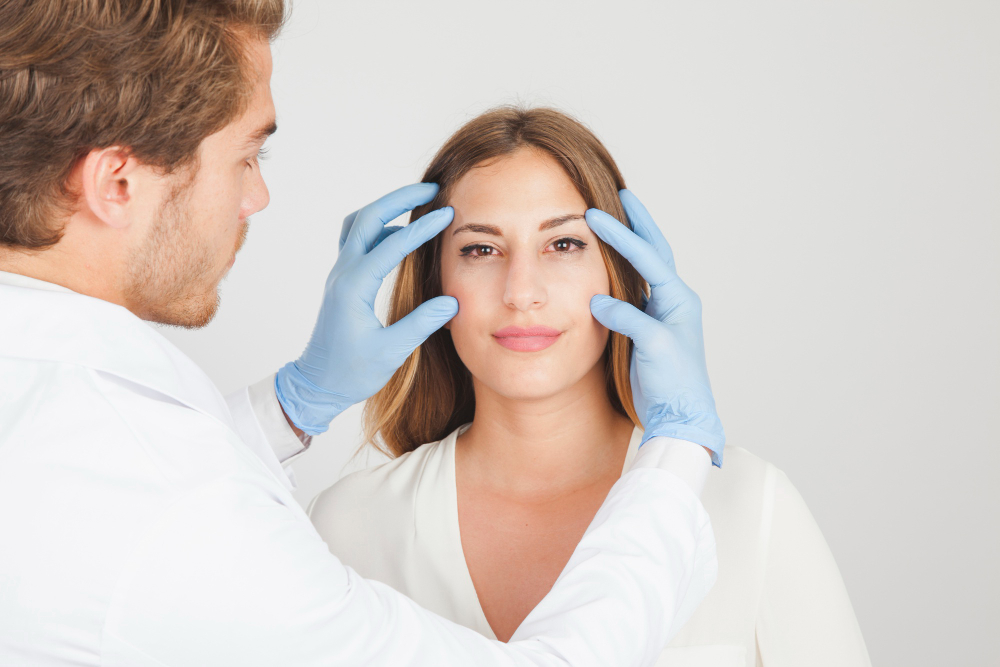
Eyelid surgery, or blepharoplasty, is one of the most popular cosmetic procedures in the Greater Toronto Area, offering a remarkably refreshed and revitalized appearance. But in today’s fast-paced world, minimizing downtime is key. Thanks to advancements in surgical techniques and a more holistic, tech-integrated approach to aftercare, achieving a swift and smooth recovery is more attainable than ever.
If you’ve chosen to enhance your look with Eyelid Surgery Toronto, consider this your essential, trending guide to bouncing back quickly and flawlessly. We’re moving beyond the basics to embrace a recovery strategy built on modern science and self-care optimization, tapping into what the experts are calling the future of healing.
The First 72 Hours—The Optimization Window
The first three days post-surgery are the most critical for managing initial swelling and bruising. Modern recovery protocols are hyper-focused on reducing inflammation from the start to accelerate the entire healing timeline dramatically.
1. The Elevation Imperative
Traditional advice is to keep your head elevated, but the 2025 Standard calls for precise positioning.
-
The Science: Gravity is your friend. Elevating your head—even while sleeping—helps drain fluid away from the surgical site, significantly minimizing swelling.
-
The Hack: Invest in a high-quality wedge pillow (30-45 degree angle) or an adjustable smart bed. Stacking pillows can be inconsistent and may lead to neck strain. Think of your sleep setup as your personal, optimized recovery zone.
2. The Cold Therapy Protocol: Smarter Icing
The days of just grabbing a bag of peas are over. Modern cold therapy is strategic and timed.
-
The Timing: Apply cold compresses (gel packs, frozen gauze soaked in saline) for 10-15 minutes on, 15-20 minutes off during your waking hours for the first 48 to 72 hours. This pulsed approach maximizes vasoconstriction (constricting blood vessels to reduce swelling) without risking tissue damage.
-
The Trend: Many Toronto clinics recommend specialized, contoured eye masks that avoid direct pressure on the incision while providing full coverage. Remember to always place a thin, clean cloth between the cold pack and your skin.
3. Hyper-Hydration & Anti-Inflammatory Nutrition
Your body’s healing process is directly fueled by what you consume. This isn’t just about general health; it’s a targeted strategy for tissue repair.
-
Key Nutrients (The Trending Focus): Increase your intake of lean proteins (essential for building new tissue) and foods rich in Vitamin C (crucial for collagen synthesis) and Zinc (accelerates wound healing). Think smoothies packed with berries, spinach, and protein powder.
-
The Advised Supplement: Consult your Eyelid Surgery Toronto specialist about taking supplements like Bromelain (derived from pineapple) and Arnica Montana. Recent research continues to support their efficacy in reducing post-operative swelling and bruising, making them a popular 2025 recovery hack.
-
Minimize Sodium: High salt intake encourages fluid retention, which directly works against your elevation efforts. Opt for fresh, low-sodium foods.
Days 4 to 14—Active Healing & Lifestyle Adjustments
Once the initial swelling subsides, the focus shifts to active recovery, suture care, and a gradual return to your Toronto lifestyle.
4. Incision Care: The Scar Minimization Mindset
Your surgeon will provide specific instructions, which often include a gentle cleaning protocol. Adhering to this is paramount to achieving those coveted, virtually invisible scars.
-
Cleaning: Use the prescribed eye drops and/or antibiotic ointment exactly as directed. Do not rub or put pressure on the eyelids. Use a clean Q-tip for gentle application.
-
Suture Removal: Typically occurs between days 5 and 7. After removal, your surgeon may recommend a silicone-based scar treatment (strips or gel) as a best practice for long-term scar refinement—a non-negotiable step in modern cosmetic recovery.
-
Sun Protection: This is critical. The healing tissue is highly susceptible to hyperpigmentation. Wear dark, UV-protective sunglasses religiously, even on cloudy days, for the first few months.
5. Strategic Activity Reintroduction
Rest is important, but gentle movement is essential for circulation and preventing blood clots.
-
Week 1: Strict rest, limited reading/screen time (to avoid eye strain), and short, slow walks around your home only. Avoid bending over or any activity that increases blood pressure to your face.
-
Week 2: Gradual return to light desk work or non-strenuous daily activities. You can resume longer, gentle walks. Absolutely no heavy lifting (over 5 lbs/2.3 kg), jogging, or intense exercise until cleared by your surgeon, typically around the 3-4 week mark.
-
Trending Tech Integration: Use a fitness tracker or a post-surgery app to set reminders for light walking and medication, ensuring you don’t overdo it or miss a dose.
The Holistic Aesthetic: Complementary Toronto Procedures
In the realm of facial aesthetics, a balanced profile is the ultimate goal. Many individuals considering Eyelid Surgery Toronto are also exploring other procedures to enhance facial harmony, a popular trend in 2025 for achieving comprehensive, natural-looking results.
-
Considering Rhinoplasty Toronto? Eyelid surgery addresses the upper face, but a well-executed Rhinoplasty Toronto (nose job) can dramatically improve central facial balance and proportion. If you are considering both, discussing a staged approach with your surgeon ensures optimal healing and aesthetic synergy. Many of the post-operative precautions (head elevation, avoiding strenuous activity) overlap, making planning more efficient.
-
Thinking about a Chin Implant Toronto? Profile balancing is a major trend. A Chin Implant Toronto can strengthen the jawline and create a better transition from the neck to the face. While recovery protocols for the chin area differ slightly (such as avoiding chewing very hard foods), integrating these goals into a long-term plan with your surgeon guarantees a unified, balanced final result.
This trend toward combining or staging procedures like Eyelid Surgery Toronto, Rhinoplasty Toronto, and Chin Implant Toronto reflects a shift toward global facial optimization rather than isolated treatment areas.
Final Thoughts: The Mindset of Success
A quick recovery from Eyelid Surgery Toronto is about more than just following instructions; it’s about adopting a mindful, proactive mindset. Trust your surgeon’s specific, customized plan above all generalized advice. Listen to your body, prioritize restorative sleep, and practice patience. While initial recovery is quick (most patients are comfortable returning to light social activity in 10-14 days), the subtle, final refinement of your results will continue for several months.