
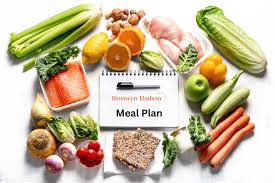
Meal planning plays a powerful role in shaping healthier lifestyles, building better eating habits, and reducing unnecessary stress around food choices. Many people know that Meal Planning Is Important For Healthy Eating, but few understand how deeply it affects energy levels, nutrient intake, and long-term wellbeing. With thoughtful planning, meals become more nourishing, budgets stay on track, and daily decisions about food become easier and more intentional.
By committing to meal planning, individuals can build healthier routines, reduce reliance on ultra-processed foods, and stay consistent with their nutrition goals. This consistency is especially important for people striving to lose weight, manage chronic conditions, or maintain balanced energy throughout the day. When meals are prepared ahead of time, it becomes easier to focus on whole foods, proper portion sizes, and balanced macronutrients.
Incorporating mindful choices is essential for Health and wellness, especially in today’s fast-paced lifestyle where convenience often outweighs nutrition. Strategic meal planning helps restore this balance by making healthy decisions simple and convenient, rather than stressful or time-consuming. When meals are already outlined, individuals are less likely to skip meals, turn to unhealthy snacks, or rely on last-minute takeout options.
Understanding Why Meal Planning Matters
Planning Reduces Daily Stress
One of the greatest benefits of meal planning is the reduction of mental load. Knowing what to cook eliminates the daily question: “What’s for dinner?” This alone decreases stress, decision fatigue, and unnecessary last-minute grocery runs. With a structured weekly plan, mealtime becomes smoother and more enjoyable.
Helps Maintain Consistent Nutrition
Meal planning ensures that meals consistently contain essential nutrients—lean proteins, whole grains, fruits, vegetables, and healthy fats. Without a plan, it is easy to overeat convenient yet less nutritious foods that lead to energy crashes or weight gain.
Makes Healthy Eating More Affordable
Planning meals saves money by minimizing impulse buys, reducing food waste, and making grocery shopping more efficient. A grocery list built from a meal plan ensures that every purchase has a purpose.
Core Elements of Effective Meal Planning
Balanced Nutrient Structure
Meal planning gives you control over macronutrient and micronutrient balance. This means:
-
Lean proteins for muscle repair
-
Complex carbohydrates for sustained energy
-
Healthy fats for cognitive function
-
Fiber-rich foods for digestion
-
Vitamins and minerals for immune support
A planned meal is more likely to include a variety of nutrients than a spontaneous one.
Portion Awareness
Many people struggle with portion control, but planning meals ahead helps maintain an appropriate balance. Pre-preparing meals ensures that serving sizes remain consistent and aligned with health goals.
Variety and Rotation
Meal planning encourages rotating ingredients so your diet includes a diverse range of foods. This enhances nutrient diversity and prevents boredom, both of which are key to long term adherence.
Simple Meal Planning Strategies to Boost Daily Wellness
Start with a Weekly Schedule
A simple weekly schedule is the backbone of effective meal planning. You don’t need elaborate recipes or complex ingredients just consistency. Choose specific times for planning, shopping, and preparing meals. Most people find it easiest to plan meals on a Friday or Saturday, shop over the weekend, and prep on Sunday.
Choose Core Meal Themes
Creating theme nights simplifies planning. For example:
-
Monday: Meatless
-
Tuesday: Tacos or wraps
-
Wednesday: Whole grains
-
Thursday: Stir-fry
-
Friday: Fish or seafood
-
Saturday: Slow cooker meals
-
Sunday: Roasts or soups
This structure minimizes decision fatigue and makes planning faster.
Prep Ingredients in Advance
Meal prep doesn’t mean cooking all meals at once. It can simply mean:
-
Washing and cutting vegetables
-
Preparing grains like quinoa or brown rice
-
Marinating proteins
-
Portioning snacks
Small tasks significantly reduce cooking time during busy weekdays.
Practical Meal Planning Techniques for Busy Lifestyles
Batch Cooking
Batch cooking involves preparing large amounts of certain foods—soups, stews, curries, casseroles that can be eaten throughout the week. This method is perfect for individuals or families with limited time for daily meal preparation.
Freezer Friendly Meals
Creating freezer meals saves time and helps ensure you always have something nutritious on hand. Freezer-friendly foods include:
-
Chili
-
Baked pasta dishes
-
Stir-fry kits
-
Marinated meats
-
Homemade broth
This approach prevents turning to unhealthy convenience foods when time is short.
Use a Grocery List Based on Your Plan
A list helps maintain focus and avoid unnecessary purchases. Organizing it by category produce, grains, dairy, proteins makes shopping faster and more efficient.
Choose Simple, Whole Ingredients
Whole foods are easier to plan around and more nourishing. Stock your kitchen with staples such as:
-
Whole grains
-
Beans and lentils
-
Fresh or frozen vegetables
-
Lean proteins
-
Eggs
-
Nuts and seeds
A kitchen stocked with healthy basics supports long-term meal planning success.
How Meal Planning Supports Daily Energy and Vitality
Stabilizes Blood Sugar Levels
Balanced meal planning helps maintain steady blood glucose. When meals are spaced throughout the day and contain complex carbohydrates, healthy fats, and proteins, energy remains steady without spikes and crashes.
Prevents Overeating and Emotional Eating
Having meals and snacks prepared reduces the urge to graze or turn to food for comfort. When healthy choices are readily available, it’s easier to stay disciplined.
Supports Better Sleep and Recovery
Nutritious meals influence hormonal balance, including those related to sleep and digestion. Eating well-planned meals at consistent times helps support a healthier sleep schedule, promoting recovery and daily alertness.
Building a Weekly Meal Planning Routine
Assess Your Weekly Needs
Before planning, ask:
-
How many meals will be eaten at home?
-
Which days are busiest?
-
Are there special events this week?
Tailoring your plan to your schedule boosts consistency.
Select Recipes and Build a Menu
Choose simple recipes that match your time and energy levels. Avoid planning meals requiring excessive prep on busy days. Instead, reserve quick or pre-prepped meals for those nights.
Shop Smart
Grocery shopping with intention ensures you buy only what you need. This reduces waste and helps you stay within budget.
Prep for the Week
Set aside 1 To 2 hours weekly to wash produce, chop vegetables, cook staple grains, or pre-portion meals. These small steps dramatically reduce weekday stress.
Tips to Make Meal Planning Easier and More Enjoyable
Keep a Recipe Bank
Having a list of go-to recipes speeds up the planning process. Include meals that are:
-
Quick
-
Budget-friendly
-
Nutrient-rich
-
Family-approved
A rotating bank of 15–20 favorites keeps your weekly menu exciting and diverse.
Allow Flexibility
Your meal plan shouldn’t feel rigid or stressful. Allow room for spontaneous meals or dining out. Flexibility keeps the routine enjoyable rather than restrictive.
Use Tools and Apps
Meal planning apps help organize:
-
Menus
-
Shopping lists
-
Nutrition trackers
-
Prep schedules
Digital tools make it easier to stick with the habit.
Encouraging Long Term Success with Meal Planning
Make It a Habit
Consistency is key. Even imperfect planning is better than none. Over time, planning becomes second nature.
Focus on Sustainable Choices
Choose meals you enjoy and can realistically prepare. Sustainability not perfection is the foundation of long-term success.
Celebrate Progress
Notice improvements such as:
-
More energy
-
Better digestion
-
Easier weight management
-
Reduced stress around food
These positive changes motivate continued commitment.
Conclusion
Meal planning is one of the simplest and most effective ways to build a healthier lifestyle. By preparing meals intentionally and consistently, individuals can improve their nutrient intake, reduce stress, save money, and boost daily vitality. Whether you’re a beginner or looking to refine your routine, integrating even a few simple strategies can transform your relationship with food. With thoughtful planning, balanced nutrition becomes more accessible, enjoyable, and sustainable supporting a healthier, stronger, and more energized life over the long term.