
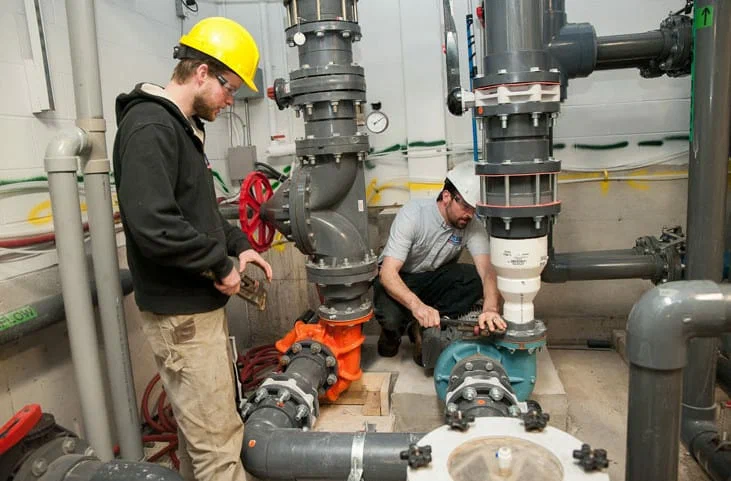
Old homes have charm. Yet their pipes often hide surprises. You asked what usually goes wrong and how to fix it fast. Here’s the quick answer you can use today: clogs, hidden leaks, weak pressure, cranky toilets, and tired water heaters cause most issues. Moreover, I’ll show when to call plumbing companies in Bell CA, for help. Therefore, always check under sinks, along baseboards, and behind the water heater. If you see orange crust, call a pro. Often, replacement beats patching.
Plumbing Companies Handle Clogged Drains And Slow Sinks
Drains in older homes often clog. First, soap scum and hair build up. The old, rough pipes grab debris. Eventually, water slows, gurgles, and smells. However, you can act early. Start with a kettle of hot water. Next, try a plunger. Then use a plastic zip snake. Meanwhile, skip harsh chemicals because they chew old pipes. Additionally, schedule a camera inspection if clogs return. In many homes, plumbing companies recommend proactive drain installation upgrades after repeated backups.
What to try first
-
Boil water, then dish soap.
-
Plunger with steady pushes.
-
Plastic zip snake at the trap.
Old Galvanized Pipe Leaks
Many older homes still use galvanized steel. Sadly, that steel rusts inside. Consequently, flakes narrow the pipe. Then, leaks start at threads and elbows. Because rust hides, leaks can stay silent. Eventually, you notice stains, swollen floors, or a musty smell. Moreover, pinhole leaks spray fine mists that spread far.
Info: Re-piping in PEX or copper lasts longer and resists scale. Also, it protects home value over time.
Low Water Pressure in Old Lines
Low pressure annoys everyone. You turn the tap. Yet only a trickle comes out. Usually, rust, scale, or a stuck valve causes it. Start simple. First, clean the aerators. Then, check every shutoff valve. Turn the handle fully open. After that, test the pressure at an outside spigot. Meanwhile, compare hot and cold. If the hot water is weaker, sediment may sit in the heater. If both are weak, the line or main valve may be the issue. Eventually, you might choose new piping.
Suggestion: Test pressure with a cheap gauge. Aim for 40–60 psi at a hose bib. If it’s lower, call a pro to diagnose.
Running or Inefficient Toilets
Older toilets waste water. Flappers warp. Fill valves stick. As a result, the bowl keeps cycling. Thankfully, fixes are simple. First, drop dye in the tank. Then wait ten minutes. If color appears in the bowl, replace the flapper. Next, adjust the float so water stops one inch below the overflow tube. Also, tighten wobbly handles. Meanwhile, consider a modern, WaterSense toilet. Moreover, hiring plumbing companies in Bell CA, saves water and reduces clogs.
Quick toilet fixes
-
Replace the flapper and fill valve.
-
Adjust float height.
-
Tighten the handle chain slack.
Info: Newer toilets clear waste with less water. They use better trapways and glazing. Therefore, they clog less often than older ones.
Water Heater Troubles and Sediment Buildup
Water heaters in older homes face heavy sediment. Consequently, they rumble and run longer. Then hot water runs out faster, and bills climb. First, check the age on the label. If it’s over 10 years, plan a replacement. Next, drain a few gallons from the tank yearly. That flush reduces sediment and noise. Meanwhile, insulate hot pipes near the heater. Additionally, test the pressure relief valve for safety. Moreover, plumbing companies in Bell CA plan, including drip pans and safe discharge routes.
Simple heater wins
-
Flush 2–3 gallons yearly.
-
Insulate the first six feet of hot pipe.
-
Test the TPR valve carefully.
Quick Tip: Set the thermostat to 49–54°C. It saves energy and prevents scalds.
Sewer Line Issues and Tree Roots
Old clay or cast-iron sewer lines crack. Then roots invade. Consequently, you get slow drains, sewer odors, or backups. Sadly, yard sinks and basement drains show it first.
Because lines sit deep, guessing wastes time. Therefore, ask for a camera scope. The video shows breaks, bellies, and root mats. Next, weigh options: hydro jetting, spot repairs, epoxy lining, or full replacement. Additionally, add cleanouts for easier service. Eventually, with drain installation near me, your future maintenance becomes cheaper and faster.
Fact: Frequent small clogs often signal one big main-line problem. Therefore, treat the cause, not just the symptom.
Lead, Old Valves, and Safety Checks
Some very old homes have lead service lines. Likewise, they may have brass with high lead content. Consequently, you should test the water, especially for kids.
First, call the city to check service-line records. Then, use a certified lab test. Meanwhile, install a certified filter if needed. Also, replace sticky shutoff valves at sinks and toilets. Those valves seize, then break during emergencies. Moreover, searching for an emergency plumber near me, if you want upgrades to improve access.
Info: Learn about lead in drinking water at the CDC and
Conclusion
Older homes need love, not luck. Mostly, the same problems show up again and again. Therefore, you can stay ahead with smart checks and timely fixes.
Finally, act early and plan upgrades. Moreover, licensed plumbing companies can map your whole system and suggest staged drain installation improvements. With Bernie’s Rooter INC, you prevent disasters, save money, and keep that lovely old house happy.