
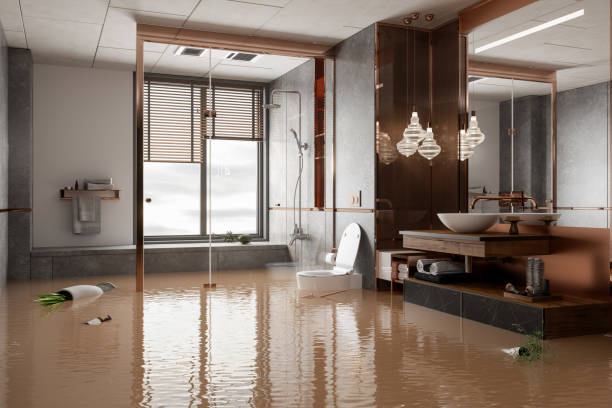
When water invades your home, every minute counts. In this blog, you’ll see what happens during a typical visit, step by step. We’ll keep it simple, because you already have enough on your plate. If you book a water damage restoration service Tullahoma, you’ll meet a trained crew that arrives fast, explains the plan, and gets to work right away. You’ll know what they do, why they do it, and how long it may take.
What Begins a Water Damage Restoration Service Tullahoma Visit
The team usually calls ahead, so you know when to expect them. Then, they show up with moisture meters, cameras, and safety gear. First, they ask a few quick questions about when the leak started, where the water traveled, and which rooms are most important to you. Next, they walk through the space, check ceilings, walls, floors, and contents, and note where water may have wicked into hidden areas. Because time matters, they give you a plain-language game plan. As a result, you know the order of tasks before any machine turns on.
Safety Checks And A Calm, Clear Walkthrough
Before anything else, the crew looks for hazards. They may switch off power in soaked rooms, lift cords, and block off slippery zones. If they see drooping drywall or a sagging ceiling, they mark it and move you away. They also look for contaminated water from sewer backups, since that needs extra protection. Then, they explain which items can stay and which should be moved. This calm start lowers stress. It also helps you make quick decisions, which speeds up the whole process and keeps your home safer.
Fast Water Removal And Why Speed Matters
Once the plan is in place, extraction begins. Powerful pumps and wet vacs pull standing water out of carpets, basements, and tight corners. Speed is key because every hour allows moisture to spread and materials to swell. Technicians work in a set order, moving from the wettest areas to edges and seams. They also squeegee hard floors to reduce slick spots. You’ll often see them take notes as they go, which helps them track progress and adjust equipment later. Expect a steady rhythm: extract, check, and extract again until surfaces feel damp, not soaked.
-
Quick win: removing rugs early reduces odors later.
-
Extra step: lifting furniture on blocks prevents staining and warping.
Drying, Dehumidifiers, And Daily Monitoring
After extraction, the crew sets up air movers and dehumidifiers to control the environment. Air movers push dry air across surfaces, while dehumidifiers pull moisture out of the air, which, in turn, dries the structure faster. They place machines in a careful pattern because good airflow makes a huge difference. Then, they return daily to measure moisture and adjust gear as rooms improve. If they suspect early growth, they may suggest an indoor mold removal specialist near me to handle problem spots under cabinet bases or inside wall cavities. This watch-and-adjust cycle keeps drying safe, steady, and efficient.
Finding Hidden Moisture And Preventing Mold
Even when rooms look dry, water loves to hide. So, techs scan baseboards, toe kicks, and insulation using thermal cameras and pin meters. They log readings and compare them to dry standards. Because mold can begin within 24–48 hours, they act early. If humidity stays high, they add more dehumidifiers. If a wall stays cool on the camera, they may drill small holes to boost airflow. When you’re searching for peace of mind later, you might look up ‘mold inspection service near me,’ as a thorough check can confirm that hidden spaces are dry and clean.
Save It Or Replace It? Clear Choices With Simple Criteria
Not every wet item must go. However, some do. Pros sort materials into “dry, salvageable, or remove.” Solid wood may dry well, while swollen particleboard usually fails. Drywall with clean water damage can often be saved if detected quickly; however, it may require flood cuts if saturated. To help you weigh choices, here’s a quick comparison:
If cabinets show signs of trapped moisture, a visit from an indoor mold removal specialist near me can confirm whether the backing panels or kick plates need to be removed. This clear path reduces guesswork and protects both your budget and your health.
Cleaning, Sanitizing, And Odor Control That Actually Lasts
After drying, it’s time to clean. Technicians wipe hard surfaces with appropriate solutions, then apply sanitizers to reduce bacterial growth. They often mist or fog deodorizing agents to neutralize musty smells. Because odors cling to pores, they may run air scrubbers with HEPA filters to capture tiny particles. In fact, this step is what makes the home feel livable again, not just dry. You’ll see crews focus on touch points like doorknobs and rails, since hands carry microbes.
-
Pro tip: bag and label any soft goods for separate cleaning.
-
Bonus: opening safe windows boosts fresh airflow and comfort.
Paperwork, Timelines, And How You Can Help Each Day
Good companies document everything. They keep before-and-after photos, moisture logs, and a list of equipment on site. If you plan to file a claim, this record provides clear proof for your adjuster. Meanwhile, you can help by keeping doors closed in drying zones, emptying dehumidifier tanks if requested, and avoiding wet floors. If you live locally and want a simple plan, scheduling a mold inspection service near me after drying can add reassurance. Additionally, if a friend asks who to call, you can explain how a water damage restoration service Tullahoma works from start to finish.
Final Checks, Repair Planning, And A Smooth Handoff
When readings match dry standards, the crew removes equipment. Next, they review any materials that require repair—such as baseboards, trim, or small drywall patches. Therefore, you leave with a short punch list, not a mystery. They’ll share what to watch for in the next week, such as new spots or odors. If any area took longer to dry, they’ll explain why, so you’re not left guessing. As a result, you can plan paint, flooring, or cabinet work with confidence. And because life gets busy, they keep their summary short and precise.
Ready To Get Your Home Back? Here’s Your Friendly Next Step
You deserve a dry, healthy home, and you deserve it sooner rather than later. So, start by taking photos, stopping the leak, and calling a reputable team. Request a straightforward plan, daily updates, and precise moisture readings. Then, follow their tips and keep the rooms closed while the machines are running. If you notice any new spots, speak up right away, as prompt action can prevent more significant issues. When you’re ready for a caring, local crew that explains each step and stands by the work, reach out to Restorable Solutions Mold Remediation. They’ll help you breathe easier and feel at home again.